Categories
Latest News News

EVAWAG Program Launches Workshop to Strengthen Protection Policies Against Violence and Harassment

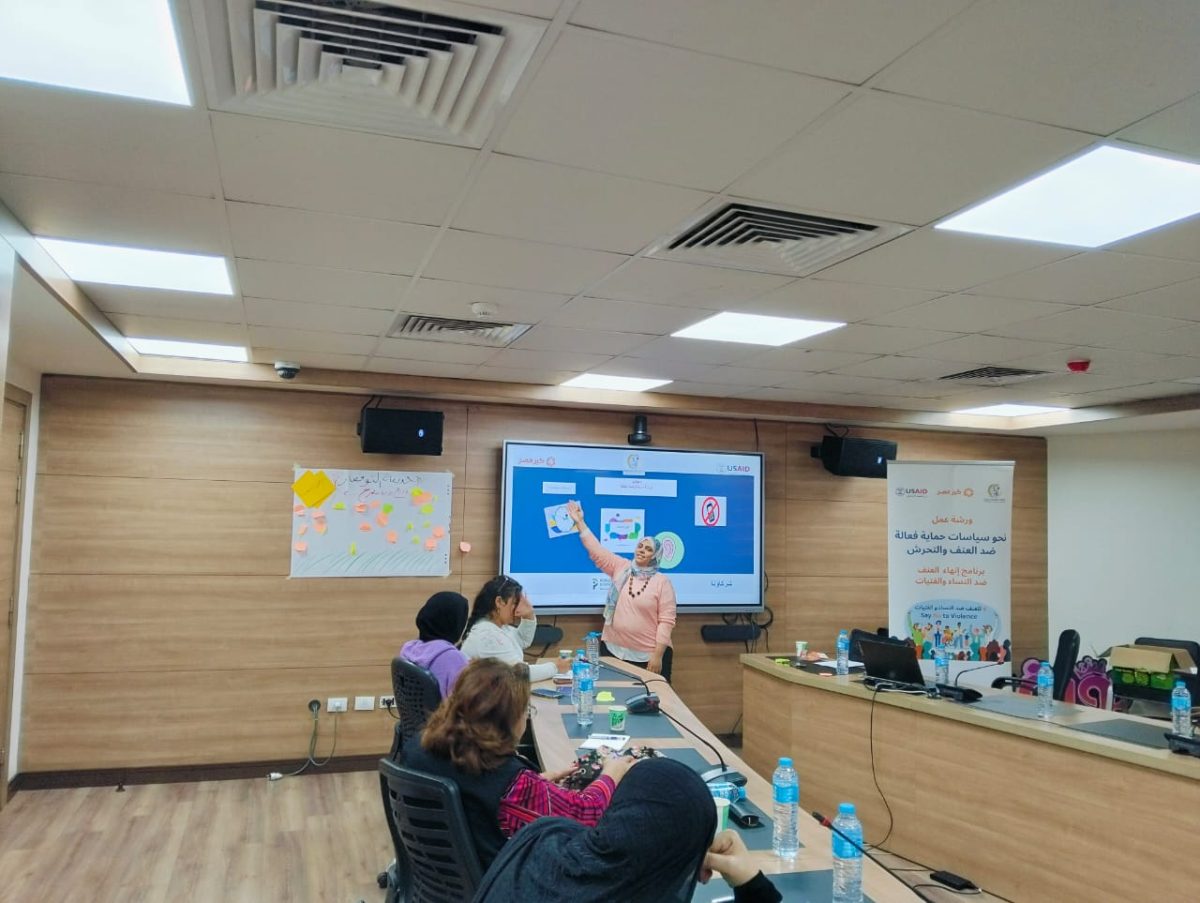
As part of the Ending Violence Against Women and Girls (EVAWAG) program, CARE Egypt launched an impactful workshop on Protection Policies Against Violence and Harassment. This workshop, held under the Dr. Nabil Samuel Forum for Civil Society Organizations, Over 15 civil society organizations participated, representing diverse sectors including women’s support, child protection, and the empowerment of people with disabilities

“The workshop focused on Building the capacity of civil society organizations to develop and implement comprehensive protection policies, standardizing concepts related to protection and codes of conduct and promoting a culture of reporting and accountability within institutions.

The workshop was led by Dr. Azza Kamel, Chairperson of the ACT Foundation’s Board of Trustees and alternate rapporteur of the forum; Khadija Al-Taher, Senior Technical Advisor for Gender-Based Violence and Social Standards at CARE; Heba Adel, Lawyer and Chairperson of the Egyptian Women Lawyers’ Association for Women’s Rights; and Mona Ezzat, Chairperson of the Board of Trustees of Al-Noon Foundation. The facilitators emphasized the importance of shared learning to establish unified protection policies. Discussions focused on the role of the Women’s Complaints Office, complaint mechanisms such as the 15115 hotline, and best practices for maintaining safe work environments. Participants also engaged in group activities to draft protection policies, which will serve as a code of conduct for the organizations involved.

This workshop was amplified through extensive media coverage, reaching an estimated 250,000 people, ensuring broader awareness of its objectives and impact This step is a crucial part of building capacities to address violence and harassment and strengthen protection policies across organizations, advancing the mission of the EVAWAG program to foster safer, more inclusive spaces for women and vulnerable groups within NGOs, while expanding efforts to encompass society as a whole.
Categories
Latest News Latest News News News News & Stories News & Stories

EVAWAG Program Launches 5 Day Campaign “حقك تعيشي في أمان” Across 5 Governorates

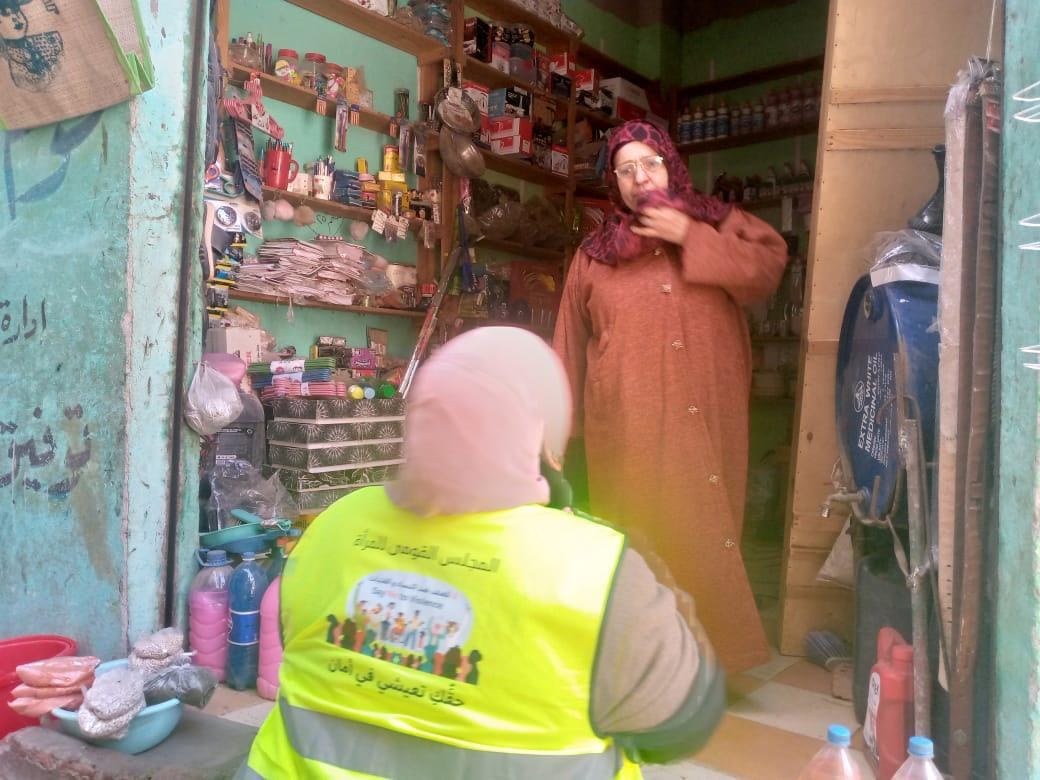
The EVAWAG program, under the slogan “حقك تعيشي في أمان” (“Your Right to Live Safely”), launched a focused five-day campaign across six governorates: Beheira, Sharkia, Dakahlia, Fayoum, Assiut, and Sohag. Following a two-day training for 300 rural leaders, the campaign aimed to equip them with the knowledge to address critical issues affecting women and girls in their communities.

The “Knocking on Doors” campaign took a localized approach, tailoring its messaging to specific regional challenges. In Fayoum and Beheira, the slogan “جوازها قبل الأوان… هيخليها مش بأمان” (Marriage before its time… will take away her safety) raised awareness about the dangers of child marriage. In Assiut and Sohag, “علميها ووعيها… ومن مخاطر الختان أمنيها” (Educate her and raise her awareness… protect her from the dangers of FGM) focused on combating female genital mutilation (FGM). Meanwhile, in Sharkia and Dakahlia, the message “بالتفاهم علاقتكم تقووها… ومن العنف الأسري تأمنوه” (Strengthen your relationship with understanding… safeguard it from domestic violence) addressed the need to prevent domestic violence.

These region-specific messages were amplified by robust press media coverage, reaching an average of 1.5 million people. This extensive outreach ensured maximum visibility and engagement with local communities. Through effective training of rural leaders and strategic media efforts, the campaign successfully raised awareness and fostered a deeper understanding of the importance of protecting women and girls, ensuring their safety in the targeted governorates.

Categories
News & Stories

EVAWAG Program Launches Door to Door Campaign Training for 289 Rural Leaders in 6 Governorates”

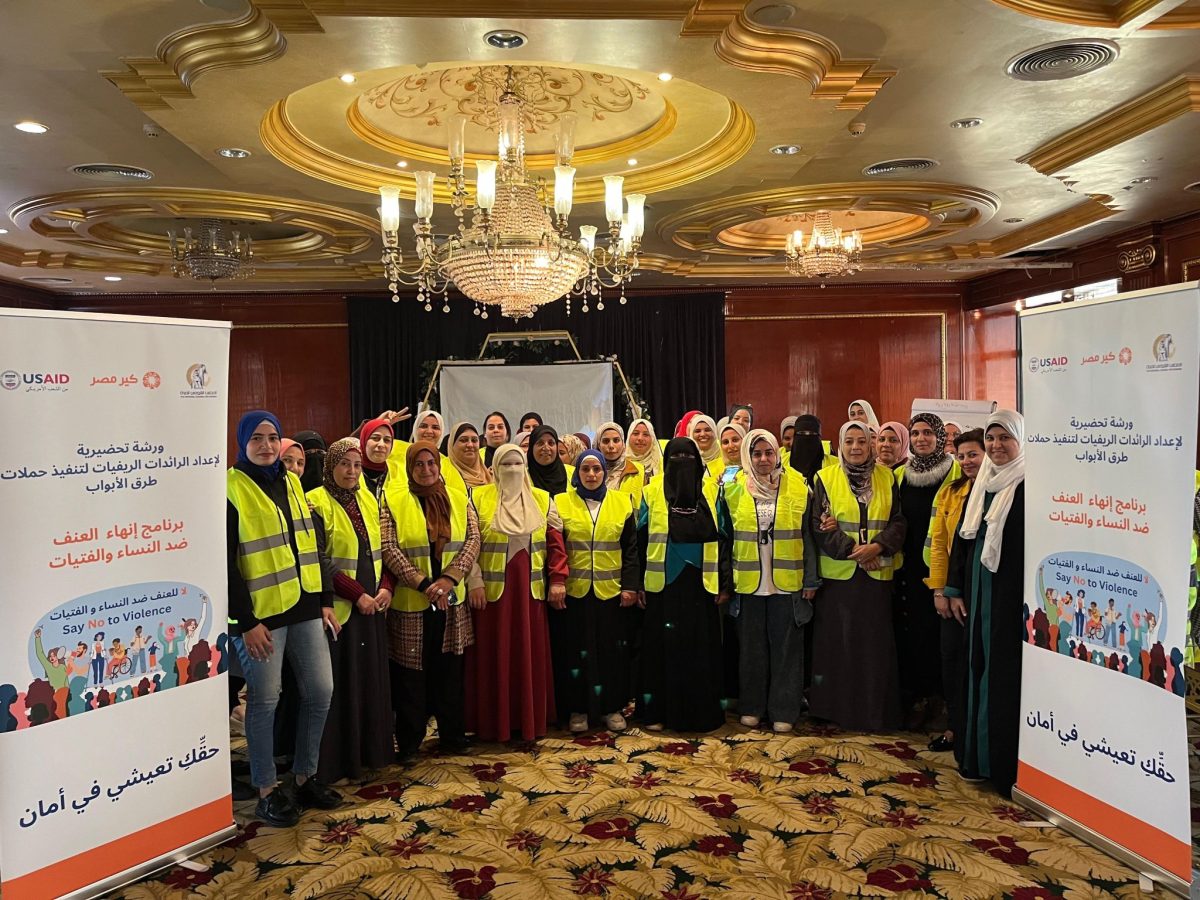
As part of the “Ending Violence Against Women and Girls” program funded by USAID, CARE Egypt Foundation, in collaboration with the National Council for Women, organized a two-day training for 289rural leaders. The training emphasized key issues affecting each governorate, including child marriage in Fayoum and Beheira, domestic violence in Sharkia and Dakahlia, and female genital mutilation (FGM) in Assiut and Sohag. Participants were also introduced to the door-to-door campaign methodology, emphasizing its effectiveness in raising awareness, engaging communities, and advancing safeguarding policies to protect women and girls.

The campaign slogan “حقك تعيشي في أمان” (Your Right to Live in Safety) resonated throughout the training, guiding the leaders in delivering impactful, region-specific messages. The campaign’s messages were carefully customized to reflect the specific challenges and needs of each governorate, ensuring relevance and resonance within local communities. This tailored approach enabled the leaders to address the most pressing issues in their regions. By focusing on these local concerns, the trained leaders were empowered to foster meaningful change in their communities. This strategy was key to the campaign’s success, which lasted for 5 days following the training, ensuring that each leader could effectively engage their community and advocate for the protection of women and girls.

Categories
Press Release

Climate Smart Agriculture for Life Project (CSA4L) Successfully Navigates Challenges of Climate Change in Egypt

Engaging Civil Society and Youth: Closing Event Highlights Impactful Strategies

In a world grappling with the far-reaching consequences of climate change, CARE Egypt’s Climate Smart Agriculture for Life Project (CSA4L) emerges as a beacon of hope. The project, aimed at supporting small-scale farmers in adaptation to and mitigating the effects of climate change, has not only navigated the complexities of environmental challenges but has also empowered vulnerable communities in Egypt.

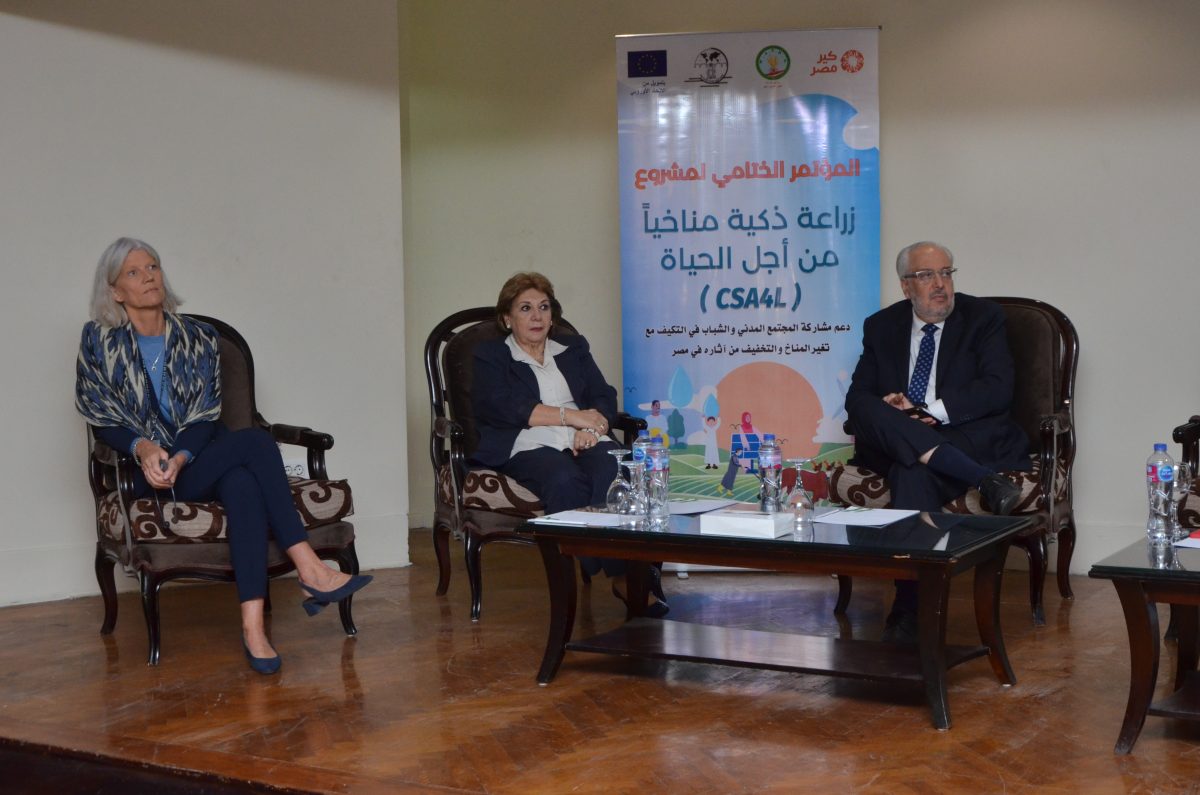
The closing conference, held on December 13, 2023, at the Holiday Inn Hotel in Maadi, Cairo, marked the culmination of CSA4L. This event brought together key stakeholders, experts, and influencers to reflect on the achievements, methodologies, and the broader impact of the project.


Speakers’ Insights:

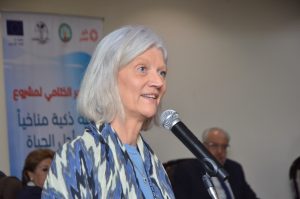
The conference opened with a warm welcome from Ms. Nihal El Quwisny, the Chairman of the Board of Trustees at CARE Egypt. Dr. Hazem Fahmy, the Executive Director, provided insights into the journey of CSA4L, highlighting its significance in the context of Egypt’s environmental challenges. Ms. Anne Kofoed, Head of Social Inclusion and Governance Sector, shared her perspective on the project’s role in fostering inclusivity and resilience.

Overview and Impact:

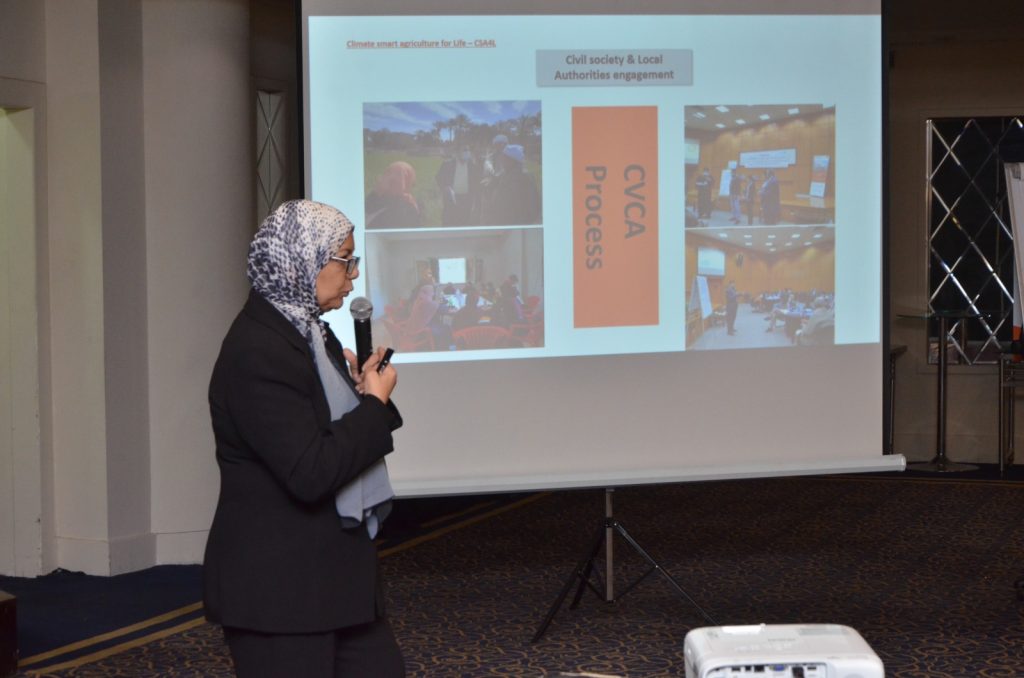
Howaida Nagy, the Project Manager, presented a comprehensive overview of CSA4L, showcasing results, methodologies, and the vulnerability assessment results conducted by AHDO. Dr. Mamdouh Eissa, Managing Director at AHDO, El Sayed Sabry, CEO of ECCSCO, and Dr. Samir Massoud, Professor at Al-Azhar University, provided their insights into the project’s impact on small-scale farmers.

Dr. Iman Abdul-Azim, a Geographic Information Systems and Remote Sensing Expert, delved into the innovative technologies employed in the project, highlighting the use of solar-powered irrigation and early warning systems.

Panel Discussions:

The conference featured engaging panel discussions, bringing together experts and practitioners. Dr. Seham Kamel led discussions on community-based monitoring models as tools for engaging youth in climate change adaptation. Isaac Zaki discussed the role of climate-smart organizations in contributing to a sustainable future. Prof. Dr. Zakaria Fouad shared insights on the results, best practices, and sustainability of Climate Smart Agriculture.

Closing and Key Takeaways:

Ms. Marwa Hussein, Program Director of the Agriculture and Natural Resources program, concluded the event by summarizing key takeaways. She emphasized the importance of community engagement, youth involvement, and innovative approaches in addressing climate challenges.

Project Aims and Achievements:

The CSA4L project, funded by the European Union, aimed to support small-scale farmers in adapting to climate change and mitigating its adverse effects. By introducing climate-smart agricultural practices, the project has empowered over 7,788 beneficiaries, including 2,688 female farmers, and 5,100 male farmers.


Key achievements include the use of agricultural waste for composting, cultivation of climate-resistant crops, solar-powered irrigation, and the establishment of early warning systems. Notably, the project’s success has garnered international recognition, with participation in prestigious conferences such as COP26, COP27, and COP28, where CARE Egypt was commended for its leadership in climate action.

As the closing event concluded, it became evident that CSA4L has not only addressed the immediate challenges posed by climate change but has also set a precedent for sustainable, community-driven solutions. The collaborative efforts of CARE Egypt, its partners, and the dedication of the project team have created a blueprint for climate resilience in the agricultural sector.

Categories
غير مصنف

تبطين المساقي يزيد من أرباح حمزاوي

لا يسهم تبطين المساقي في استخدام المياه بشكل أكثر كفاءة فحسب، بل يزيد أيضًا من إنتاجية الأراضي الزراعية. ومع ذلك، لم يكن تبطين المساقي شائعًا في مصر حتى وقت قريب. يخبرنا حمزاوي إبراهيم المزارع بقرية نزة قرار في محافظة أسيوط: “انتشر خبر تبطين المساقي في جميع أنحاء القرية.”


تتمثل المشكلات الرئيسية للمساقي الطينية في تسرب المياه وارتفاع تكاليف الوقود لماكينات رفع المياه وتطهير المساقي. ويوضح حمزاوي: “اعتدنا تطهير المساقي 4 مرات في الموسم بتكلفة 100

جنيه للفدان في كل مرة، بالإضافة إلى تكلفة الوقود والعمالة.”


تشغل المساقي الجديدة مساحة 1.20 متر مربع فقط بدلاً من المساقي القديمة التي كانت تشغل مساحة 5 أمتار، وتُستخدَم المساحة المتبقية في الزراعة. تعيش الثعابين والقوارض والبعوض والحشرات في المساقي الطينية وتتسبب في إهدار المحاصيل. يوفر تبطين المساقي الوقت والوقود المستهلك في ماكينات رفع المياه. يقول زكريا جابر المزارع بقرية نزة قرار: “ري الأرض بياخد ساعتين فقط، وده نص الوقت المستغرق قبل كده.” إن توفير الوقت والوقود يعني المزيد من العائدات والأرباح للمزارعين.


على الرغم من ندرة الموارد المائية، لا يزال معظم المزارعين يتبعون نفس تقنيات الزراعة القديمة. انطلاقًا من الإيمان بأهمية تطوير القطاع الزراعي باعتباره بوابة لتحقيق التنمية الاجتماعية والاقتصادية

في صعيد مصر، تقدم هيئة كير الدولية في مصر، من خلال مشروع حياة كريمة، نظما مبتكرة لرفع كفاءة الري والزراعة في صعيد مصر. قدم مشروع حياة كريمة المموَّل من الاتحاد الأوروبي والذي تنفذه هيئة كير مِنَحًا فرعية للتعاونيات وجمعيات المجتمع المدني المحلية لتبطين المساقي. تقول مروة حسين، مديرة برنامج الموارد الطبيعية والزراعية في كير مصر: “تبطين المساقي يساعد الآلاف من المزارعين على تقليل تكاليف الانتاج وزيادة المحاصيل وبالتالي زيادة انتاجية المزارعين لأعوام قادمة.”


يُعَّد حمزاوي وجيرانه مثالاً يحتذى به المزيد من المزارعين. يقول حمزاوي: “المزارعون شافوا مدى فايدة المساقي الجديدة وقرروا ينفذوا المساقي الجديدة عندهم.” كما عزز المزارعون النظام عن طريق إضافة باب للتحكم في تدفق المياه في المسقى ومنعه وقت الحاجة لذلك. ونتيجة لهذا التدخل أصبح المزيد من المزارعين الآن مهتمين بهذا النموذج.


وقدمت هيئة كير كيلومترًا واحدًا من المساقي المبطنة في القرية. يبرز حمزاوي الوضع الراهن قائلاً: “ما زلنا محتاجين 5 كيلومترات هنا في القرية، في حين مازال المزارعون في القرى المحيطة معندهمش مساقي مبطنة خالص.” بعد الانتهاء من المشروع قام المزارعون الذين يمتلكون قطعًا كبيرة من الأراضي بتبطين المساقي على نفقتهم الخاصة، بينما لا يستطيع صغار المزارعين تحمل التكاليف. ويضيف حمزاوي “نحتاج لمشاركة الجميع في النظام ده علشان نضمن فاعليته بنسبة 100%.”


ويقول زكريا: “نشكر هيئة كير والاتحاد الأوروبي على مساعدتنا ونتمنى رؤية المزيد من المساقي في القرية قريباً.”